
A Comprehensive Guide to Vehicle Emission Reduction Solutions in the UK
JG
Reducing vehicle emissions is a critical goal in the UK's journey toward a more sustainable future. With increasing concerns about air quality and climate change, exploring effective solutions is more important than ever. This guide delves into the various methods available to reduce vehicle emissions and how these can be implemented across the UK.
Understanding Vehicle Emissions
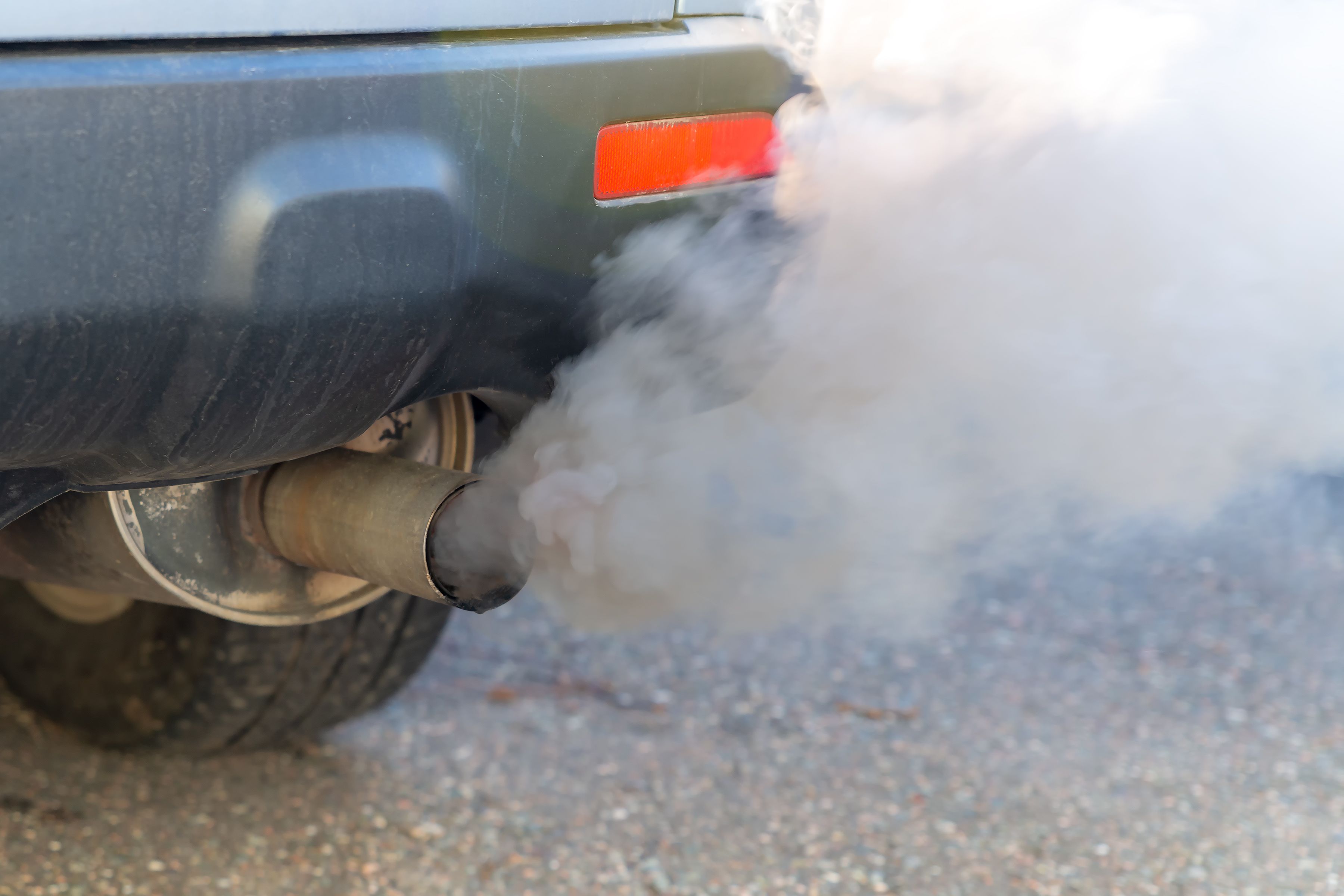
Vehicle emissions are primarily caused by the combustion of fossil fuels in internal combustion engines. These emissions include harmful pollutants such as nitrogen oxides (NOx), carbon monoxide (CO), and particulate matter (PM). Reducing these emissions is essential for improving air quality and public health.
Impact on Health and Environment
Emissions from vehicles contribute significantly to air pollution, leading to respiratory problems, cardiovascular diseases, and other health issues. Moreover, they play a substantial role in global warming by releasing greenhouse gases like carbon dioxide (CO2) into the atmosphere. Addressing vehicle emissions is crucial for protecting both human health and the environment.

Government Initiatives and Regulations
The UK government has implemented several initiatives aimed at reducing vehicle emissions. One of the most significant steps is the introduction of the Ultra Low Emission Zone (ULEZ) in cities like London. This zone charges vehicles that do not meet specific emission standards, encouraging the use of cleaner vehicles.
Emissions Standards and Testing
Strict emissions standards, such as the Euro standards, are enforced to limit the level of pollutants that vehicles can emit. These standards are regularly updated to reflect technological advancements and environmental needs. Regular emissions testing ensures compliance and helps identify vehicles that need improvements.
Technological Advancements in Emission Reduction
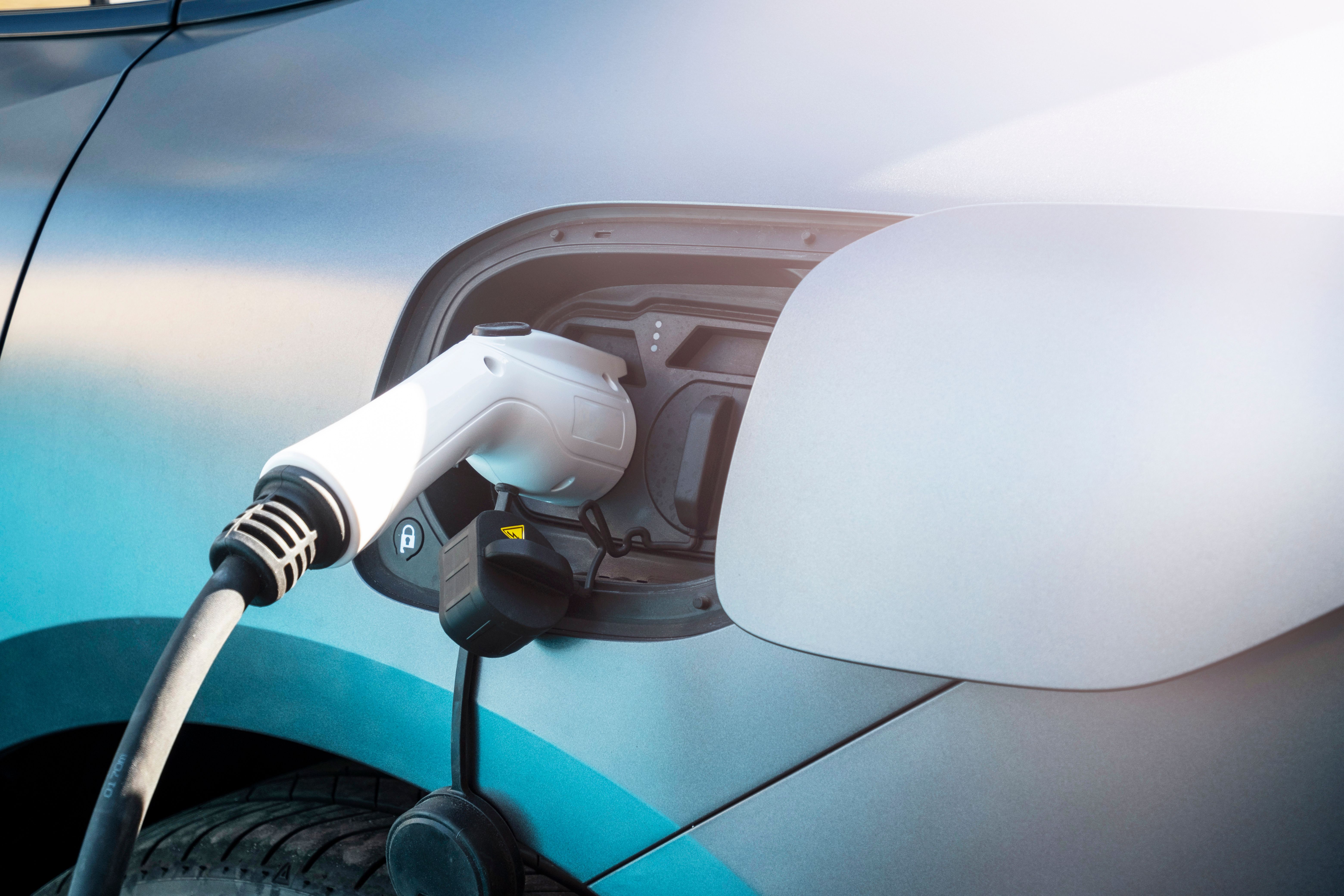
Technology plays a pivotal role in reducing vehicle emissions. The rise of electric vehicles (EVs) offers a promising alternative to traditional combustion engines. EVs produce zero tailpipe emissions, significantly reducing air pollution and greenhouse gas emissions.
Hybrid and Hydrogen Vehicles
Hybrid vehicles, which combine internal combustion engines with electric power, offer improved fuel efficiency and reduced emissions. Additionally, hydrogen fuel cell vehicles are emerging as a clean alternative, emitting only water vapor as a byproduct.
Practical Steps for Individuals
Individuals can also contribute to emission reduction by adopting various practices. Carpooling and using public transportation are effective ways to reduce the number of vehicles on the road. Regular vehicle maintenance ensures engines run efficiently, reducing unnecessary emissions.
Adopting Cleaner Driving Habits
Simple changes in driving habits can lead to significant reductions in emissions. Avoiding aggressive driving, reducing idling time, and maintaining a steady speed are effective strategies. Additionally, considering alternative modes of transportation, like cycling or walking for short distances, can further reduce reliance on vehicles.
In conclusion, both collective and individual efforts are essential to achieving significant reductions in vehicle emissions in the UK. By embracing government initiatives, technological advancements, and practical daily practices, we can drive toward a cleaner, healthier future.