
A Step-by-Step Guide to DPF Removal Services
JG
Understanding DPF Removal Services
The Diesel Particulate Filter (DPF) is a crucial component in modern diesel engines, designed to reduce emissions by capturing soot and other particles. However, over time, these filters can become clogged, leading to reduced engine performance and increased fuel consumption. This is where DPF removal services come into play, offering an effective solution for maintaining vehicle efficiency.
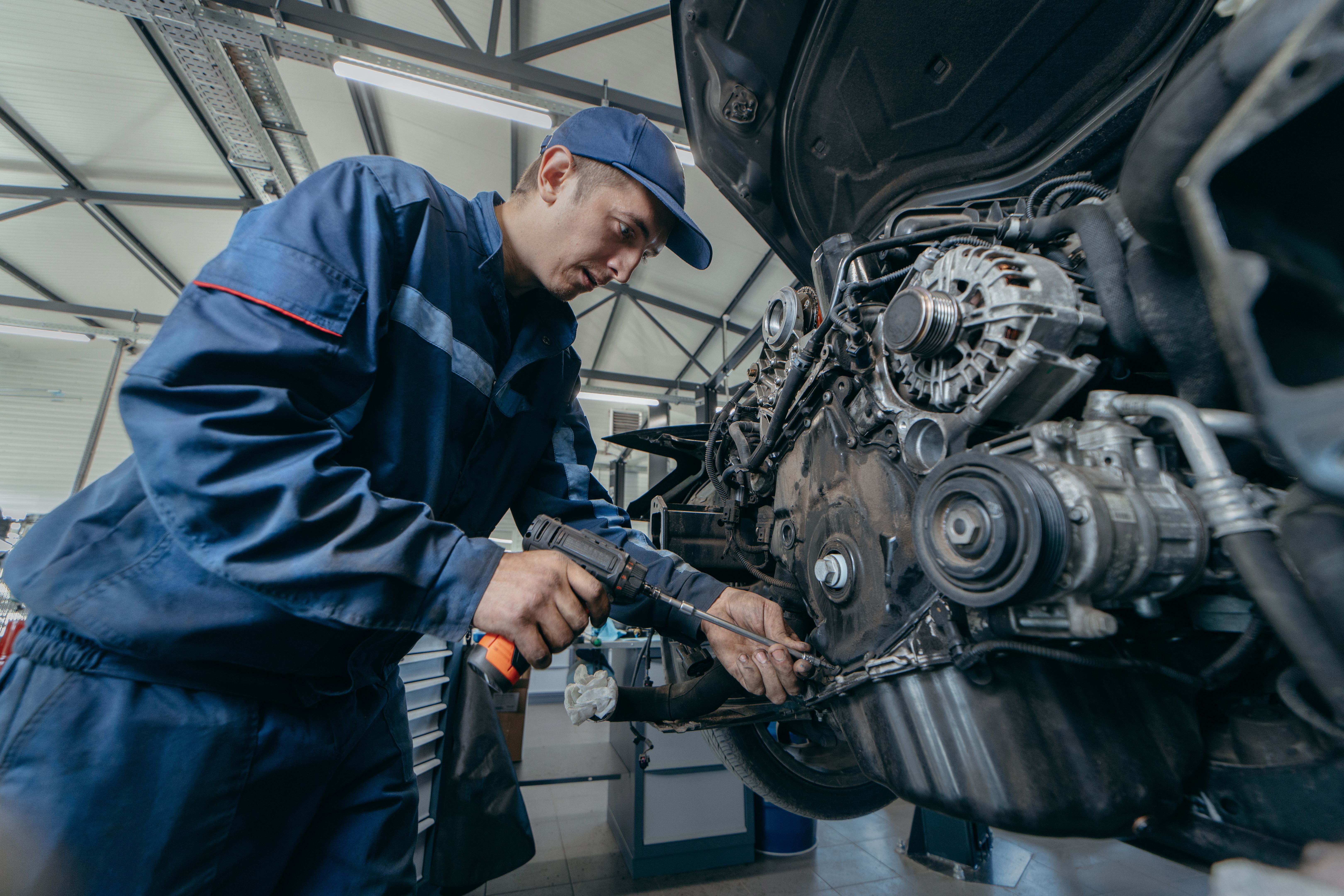
Why Consider DPF Removal?
While DPFs are essential for emissions control, they can pose problems if not maintained properly. A blocked DPF can cause increased backpressure, which affects engine performance. Additionally, the cost of replacing or cleaning a DPF can be high, leading many to consider removal as a viable option. Removing the DPF can enhance fuel efficiency, improve engine power, and reduce maintenance costs.
Is DPF Removal Legal?
It's important to note that DPF removal is not legal in all regions, as it can affect vehicle emissions. Before proceeding, check local regulations to ensure compliance. In some areas, removing the DPF can result in fines or other penalties. Always consult with a professional to understand the legal implications in your region.

The Step-by-Step Process of DPF Removal
Engaging with a reputable service provider is crucial for a successful DPF removal. Here’s a step-by-step guide to help you understand the process:
1. Initial Consultation
The first step involves discussing your vehicle's needs with a professional. This consultation will determine if DPF removal is the best course of action for your situation. An expert will evaluate your engine’s performance and any issues you may be experiencing.
2. Diagnostic Testing
Before any removal work begins, a thorough diagnostic test is conducted to assess the condition of the DPF and the engine. This step ensures that no other underlying issues are affecting performance.

3. Removal and Replacement
Once diagnostics are complete, the removal process begins. The DPF is carefully extracted from the vehicle. Depending on your requirements, it may be replaced with a straight pipe or another component to maintain exhaust flow.
4. ECU Reprogramming
After the physical removal, the vehicle's Engine Control Unit (ECU) needs reprogramming. This step is crucial to ensure the engine operates correctly without the DPF, avoiding error codes and performance issues.
Benefits of Professional DPF Removal Services
Choosing a professional service ensures the job is done correctly and safely. Professionals have the necessary tools and expertise to handle the removal and reprogramming processes efficiently. Additionally, they provide valuable advice on maintaining optimal engine performance post-removal.

In conclusion, while DPF removal services offer several benefits, it’s essential to weigh these against legal considerations and environmental impacts. Always seek professional guidance to make an informed decision tailored to your vehicle's needs.